
Understanding the Devastating Psychological Impact and the Path to Healing

Infidelity is not just a breach of trust—it is an emotional earthquake that shatters the very foundation of a relationship. When an affair is discovered, the betrayed partner often feels as if their entire world has crumbled beneath them.
Infidelity causes sadness or anger—it can deeply impact a person’s self-worth, and ability to trust others. Research shows that discovering a partner’s affair can be so traumatic that it triggers symptoms similar to post-traumatic stress disorder (PTSD), including intrusive thoughts, hypervigilance, and emotional numbness (Gordon et al., 2004; Chopik et al., 2018).
Even for the partner who was unfaithful, the weight of guilt, shame, and regret can be overwhelming, leading to emotional distress, self-judgment, and in some cases, even depression.
So, how does infidelity affect each partner, and what steps can be taken to heal from the devastation?
When Infidelity Comes to Light: The Emotional and Psychological Impact
The moment infidelity is uncovered—whether through a confession, a discovered message, or a suspicious gut feeling finally being confirmed—everything changes. The betrayed partner often experiences an overwhelming storm of emotions, struggling to process the reality of the betrayal.
Impact on the Betrayed Partner
The betrayed partner often feels as if they have lost not only their relationship but also their sense of identity, security, and trust in the world. Their emotional pain is not just about the affair itself—it is about what the betrayal represents.
1. Intense Anxiety and Insecurity
The safety and stability they once felt in their relationship is gone. Many betrayed partners experience:
- Hypervigilance—constantly checking their partner’s phone or social media.
- Difficulty trusting anything their partner says.
- Panic attacks or anxiety attacks, fearing further lies or betrayals.
Some report feeling as if they are “going crazy”—one moment desperate for answers, the next numb with disbelief. They may experience sudden emotional outbursts, crying uncontrollably or feeling overcome with rage.
2. Depression and Low Self-Esteem
Many betrayed partners internalize the affair, wondering:
- Was I not good enough?
- What does the other person have that I don’t?
- Did I do something wrong?
Their self-esteem can plummet, leading to feelings of worthlessness, humiliation, or inadequacy. Even though the affair was not their fault, they may struggle with a deep sense of personal failure (Russell et al., 2013).
In some cases, the emotional pain becomes so overwhelming that it leads to clinical depression, affecting their ability to function in daily life. They may:
- Lose interest in things they once enjoyed.
- Have trouble getting out of bed or going to work.
- Experience suicidal thoughts in extreme cases.
3. Anger and Intrusive Thoughts
The mind of the betrayed partner can become an endless loop of pain and self-doubt. They may find themselves obsessing over details of the affair, comparing themselves to the third party, or replaying hurtful memories in their head). This rumination can be torturous and hard to shut off, interfering with concentration and sleep.
Some betrayed partners experience rage like they’ve never felt before—anger at their partner, at the person they cheated with, and sometimes even at themselves. This anger may be expressed through:
- Lashing out in arguments.
- Destroying objects or keepsakes tied to their relationship.
- Seeking revenge, whether through an affair of their own or other destructive behavior.
While anger is a normal response, acting on it impulsively can cause even more pain in the long run.
4. Loss of Trust and Safety
One of the most devastating effects of infidelity is the loss of trust—not just in their partner, but in their own judgment.
Many betrayed partners say:
- “I feel like I don’t even know the person I loved.”
- “If they could lie to me so easily, how do I know they won’t do it again?”
- “Can I even trust my own judgment? “
- “How will I ever trust anyone again?”
Even in future relationships, the fear of betrayal can linger, leading to difficulty opening up to new partners, fear of intimacy, or avoidance of serious relationships altogether.
5. Physical Symptoms and Health Consequences
Infidelity-induced stress doesn’t just stay in the mind—it takes a physical toll on the body as well. Common symptoms include:
- Trouble sleeping or nightmares.
- Loss of appetite or constant nausea.
- Headaches, body aches, or a weakened immune system.
Over time, if the stress remains unaddressed, it can lead to chronic health issues, such as high blood pressure or severe anxiety disorders (Russell et al., 2013).
Impact on the Unfaithful Partner
While much focus is placed on the betrayed partner, the one who cheated often experiences their own emotional turmoil.
1. Guilt, Shame, and Self-Loathing
Many unfaithful partners deeply regret their actions. They may feel:
- Guilt for hurting someone they care about.
- Shame over being seen as a “bad person.”
- Fear that they have permanently destroyed their relationship.
For some, the weight of guilt can lead to depression or self-hatred, especially if their partner is unwilling to forgive them.
2. Anxiety About Judgment and Consequences
The unfaithful partner may worry:
- “Will I ever be forgiven?”
- “Will my family and friends see me differently?”
- “Did I just ruin my marriage?”
If the affair results in separation or divorce, the unfaithful partner may experience profound grief and regret, even if they initiated the betrayal.
Impact on the Relationship as a Whole
Infidelity is not just an individual experience—it is a relationship trauma that affects the entire dynamic between partners.
The discovery of an affair often leads to a complete breakdown in communication. Some couples erupt into constant, explosive arguments, while others retreat into silence, unable to express their pain in a way that feels safe. Both responses can create a cycle of disconnect, resentment, and emotional exhaustion.
It’s not uncommon for couples to enter a crisis phase, where every interaction feels charged and unpredictable. The betrayed partner may become hypervigilant, seeking reassurance, checking phones, and needing constant validation—while the unfaithful partner may feel defensive, overwhelmed, or shut down.
Without proper support, couples may fall into damaging patterns, such as:
- Avoiding the subject entirely, hoping it will go away.
- Repeatedly rehashing the details of the betrayal without true emotional processing.
- Remaining in limbo, neither moving forward nor separating.
In some cases, the extreme emotions stirred by betrayal may even lead to verbal or emotional abuse, especially if the pain is left unaddressed.
Infidelity is also one of the leading causes of divorce and separation (DiDonato, 2019). Yet, for those who choose to stay, the relationship must evolve—because the old version of the relationship no longer exists.
Healing requires both partners to ask hard questions:
- Do we truly care for each other and our relationship?
- What needs to change to make this relationship feel safe again?
- Are we both willing to do the emotional work?
Case Example: The Aftermath of Infidelity—A Couple’s Journey Through Betrayal
After Maya discovered Raj’s online affair, she fell into a deep depression. She lost interest in things she once enjoyed, cried for hours at a time, and felt trapped in a spiral of self-doubt and grief.
Whenever Raj was on his phone or computer, Maya’s heart would race, and she felt a surge of panic and anger. She couldn’t stop wondering:
- Was I not enough for him?
- What does she have that I don’t?
- Is he still talking to her?
Meanwhile, Raj struggled with guilt and defensiveness. Though part of him knew he had hurt Maya, he still insisted that it wasn’t a real affair. The more Maya expressed her pain, the more Raj shut down, unable to take full responsibility for what he had done.
Eventually, Maya and Raj sought professional help. Through the couple’s therapy, Raj began to understand that infidelity is not just about physical contact—it’s about secrecy, deception, and emotional betrayal.
It was a difficult journey (with no quick fixes), but over time, they began to rebuild trust by:
- Creating new relationship boundaries that honored Maya’s emotional needs.
- Learning how to express emotions honestly without defensiveness.
- Understanding and addressing the underlying issues that contributed to the affair.
Their story is a reminder that healing is possible—but it requires patience, effort, and sometimes professional support.
Healing From Infidelity: Rebuilding Trust Through Therapy
Healing from infidelity is a long and painful journey—but it is possible. Whether a couple chooses to stay together or separate, both partners must go through a process of grieving, processing, and rebuilding.
Can a Relationship Survive Infidelity?
Many couples do recover after an affair, and in some cases, their relationship becomes even stronger. However, rebuilding trust requires:
- Total transparency from the unfaithful partner.
- Consistent effort to repair emotional wounds.
- Patience and understanding from both sides.
Emotionally Focused Therapy (EFT): A Proven Path to Repair
EFT is one of the most effective evidence-based approaches for couples recovering from betrayal. This therapy helps couples:
- Express their emotions honestly and safely.
- Understand the underlying causes of the betrayal.
- Rebuild trust through meaningful actions, not just words.
The goal of EFT is not just to repair the damage—but to help couples build a more secure, emotionally resilient relationship than they had before.
First Step Toward Healing
Infidelity is one of the most painful betrayals a person can experience, and the emotional wounds do not heal overnight. Whether you are the betrayed partner or the one who was unfaithful, the weight of infidelity can feel overwhelming and isolating.
But you don’t have to go through this alone.
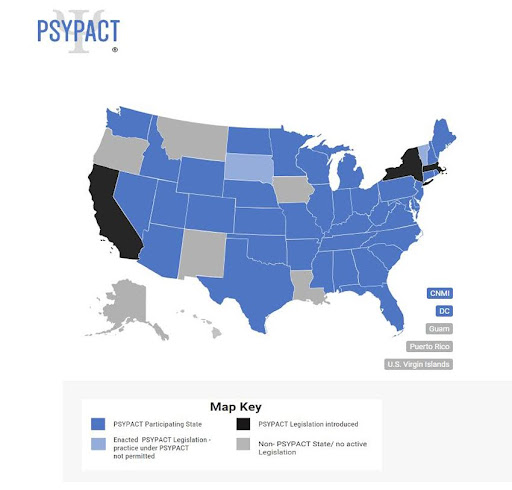
Dr. Irena, a licensed psychologist and certified Emotionally Focused Couples Therapist, specializes in helping individuals and couples heal from the trauma of infidelity. With over 25 years of experience, Dr. Irena helped many couples process betrayal, rebuild trust, and find clarity. She offers online therapy across Texas, New York, and all PSYPACT states.
Reach out today to begin the process of healing.
Email Dr.Irena at irena@permalink.com to schedule a 10-minute consultation today.

References
Allen, E. S., Rhoades, G. K., Stanley, S. M., Loew, B. A., Markman, H. J., & Ritchie, L. L. (2005). The prevalence and correlates of sexual infidelity in a national sample of American adults. Personal Relationships, 12(2), 177–190.
Atkins, D. C., Baucom, D. H., & Jacobson, N. S. (2001). Understanding infidelity: Correlates in a national random sample. Journal of Family Psychology, 15(4), 735–749.
Blow, A. J., & Hartnett, K. (2005). Infidelity in committed relationships II: A substantive review. Journal of Marital and Family Therapy, 31(2), 217–233.
Chopik, W. J., Edelstein, R. S., & Grimm, K. J. (2018). Longitudinal changes in attachment orientations over a 59-year period. Journal of Personality and Social Psychology, 115(4), 769–786.
Drigotas, S. M., Safstrom, C. A., & Gentilia, T. (1999). An investment model prediction of dating infidelity. Journal of Personality and Social Psychology, 77(3), 509–524.
DiDonato (2019) The 8 Main Reasons Why People Cheat, Psychologytoday
Gordon, K. C., Baucom, D. H., & Snyder, D. K. (2004). An integrative intervention for promoting recovery from extramarital affairs. Journal of Marital and Family Therapy, 30(2), 213–231.
Mao A, Raguram A. Online infidelity: The new challenge to marriages. Indian J Psychiatry. 2009 Oct-Dec;51(4):302-4. doi: 10.4103/0019-5545.58299. PMID: 20048458; PMCID: PMC2802380.
Mark, K. P., Janssen, E., & Milhausen, R. R. (2011). Infidelity in heterosexual couples: Demographic, interpersonal, and personality-related predictors. Archives of Sexual Behavior, 40(5), 971–982.
Russell VM, Baker LR, McNulty JK. Attachment insecurity and infidelity in marriage: do studies of dating relationships really inform us about marriage? J Fam Psychol. 2013 Apr;27(2):242-51. doi: 10.1037/a0032118. PMID: 23544923; PMCID: PMC3648986.
Whitty, M. T. (2003). Pushing the wrong buttons: Men’s and women’s attitudes toward online and offline infidelity. CyberPsychology & Behavior, 6(6), 569–580.