

Menopause is a significant life transition that can bring many changes—physical, emotional, and relational. You might notice shifts in how you feel about yourself, changes in intimacy, or new patterns emerging in how you and your partner connect. This stage can sometimes feel overwhelming, but it’s one you don’t have to navigate alone. If menopause has left you feeling distant from your partner or struggling with unresolved conflicts, Emotionally Focused Couples Therapy (EFT) can help. EFT offers a safe and structured approach to reconnecting emotionally and strengthening your bond, even during challenging times.
How Menopause Impacts Your Relationship and How EFT Can Help
The physical and emotional changes of menopause can impact your relationship in profound ways. Hormonal shifts may lead to mood changes, decreased libido, or sleep disturbances, leaving you feeling out of sync with your partner. These shifts can sometimes result in misunderstandings, unspoken frustrations, or emotional distance. Research shows that these changes can significantly affect relationship satisfaction (Dennerstein et al., 2000).
If you’re feeling disconnected, EFT provides tools to help you and your partner navigate these changes together. By exploring how these changes affect both of you, therapy creates a space to rebuild trust, deepen empathy, and restore emotional closeness (Johnson, 2004).
Rebuilding Intimacy with EFT During Menopause
Intimacy can often feel like it’s on shaky ground during menopause. Maybe you’ve noticed a shift in your desire for physical closeness, or you’re unsure how to express your needs. This is normal, but it can leave both you and your partner feeling unsure or disconnected. Studies indicate that emotional connection is a critical factor in maintaining physical intimacy, especially during life transitions like menopause (Macdonald, 2007).
EFT focuses on strengthening your emotional connection, which often leads to renewed physical intimacy. When you feel emotionally safe and understood, it becomes easier to approach each other with openness, fostering deeper closeness and trust.
From Distance to Intimacy: How EFT Helps You and Your Partner Through Menopause
If menopause has created emotional distance between you and your partner, know that this doesn’t have to be the new normal. These moments of disconnect—whether caused by misunderstandings, unspoken emotions, or simply the stress of change—are also opportunities to grow closer. EFT helps you uncover the emotional cycles that keep you stuck, bringing to light what you’re both feeling but may not know how to express. By learning to communicate with empathy and understanding, you and your partner can bridge the gaps, turning moments of distance into opportunities for connection (Johnson, 2008).
Managing Conflict During Menopause with EFT:
Conflict during menopause can feel more intense, especially when emotions are running high. Maybe small disagreements quickly spiral into arguments, or you find yourselves avoiding important conversations altogether. These moments can feel frustrating and even disheartening, but EFT offers tools to turn conflict into connection.
In therapy, we’ll look at what’s really fueling these disagreements. Often, it’s not about the surface issue but deeper feelings like fear, sadness, or frustration. Once you and your partner understand what’s driving the conflict, you’ll learn how to respond to each other in ways that de-escalate tension and build trust. This approach helps you feel supported, even during challenging conversations. Research has shown that couples who learn to address deeper emotions during conflict experience greater relational resilience and satisfaction (Greenberg & Goldman, 2008).
Redefining Self-Identity and the Couple Bond
Menopause often prompts you to reflect on who you are and where you’re headed. Maybe you’re reevaluating your role in your family, your career, or your relationship. These shifts can feel empowering but also unsettling, and they might create some uncertainty in your partnership.
Through EFT, we’ll explore these changes together. You’ll have the chance to express how you’re feeling about yourself and your relationship, and your partner will learn how to support you as you navigate this new phase. This process helps both of you redefine what your bond looks like now, creating a relationship that feels authentic and secure as you grow together. Research underscores the importance of secure attachment in navigating identity shifts, as it provides a foundation for emotional safety and mutual support (Johnson, 2008).
Supporting Your Partner Through Menopause: Building Empathy Together
Menopause isn’t just something you experience on your own—it also affects your partner and your relationship. Maybe they’re unsure how to help or are feeling helpless watching you navigate this transition. EFT creates a space for both of you to share what you need from each other.
I’ll guide you in having conversations where your partner learns how to show up for you in ways that feel meaningful, whether it’s by listening more, offering practical support, or simply being present. This process also helps you understand what your partner might be feeling—whether it’s concern for you, confusion, or even fear about what these changes mean for your relationship. By working together, you’ll build a stronger bond and feel more like a team. Research shows that fostering mutual empathy during life transitions strengthens emotional bonds and promotes relationship satisfaction (Powers, Pietromonaco, Gunlicks, & Sayer, 2006).
Rediscovering Your Relationship After Menopause: A New Beginning
As menopause transitions into a new chapter, it’s an opportunity to rediscover your relationship. Maybe your challenges have left you feeling disconnected, or perhaps you’re ready to focus on each other after years of putting other priorities first. EFT helps you reconnect with what brought you together in the first place and discover new ways to enjoy your time together.
In therapy, we’ll focus on building positive interactions and creating moments of connection that deepen your bond. This stage isn’t about returning to the past—it’s about moving forward as a couple with a stronger, more supportive, and more fulfilling relationship. EFT has been shown to help couples rebuild intimacy and create a foundation of trust and closeness, even after significant challenges (Macdonald, 2007).
EFT for Couples Facing Menopause:
If you and your partner are feeling the strain of menopause on your relationship, it’s never too late to find support and connection. I’m here to guide you both toward deeper understanding, compassion, and intimacy. Together, we can uncover the patterns that keep you stuck and create new ways to communicate and connect.
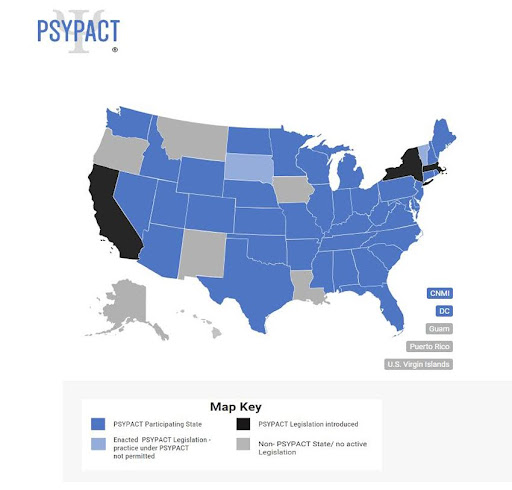
As a licensed psychologist offering online therapy in TX, NY, and PSYPACT states, I specialize in helping couples navigate the challenges of menopause with Emotionally Focused Therapy (EFT).
Don’t wait for things to improve on their own—take the first step toward a stronger, more fulfilling relationship today. Reach out to schedule a consultation, and let’s navigate this journey together. Email me at irena@permalink.com

References:
- Greenberg, L. S., & Goldman, R. N. (2008). Emotion-focused couples therapy: The dynamics of emotion, love, and power. American Psychological Association.
- Johnson, S. M. (2004). The practice of emotionally focused couple therapy: Creating connection. Brunner-Routledge.
- Johnson, S. M. (2008). Hold me tight: Seven conversations for a lifetime of love. Little, Brown.
- Macdonald, D. (2007). Intimacy in marriage: Emotionally focused therapy for couples. Journal of Clinical Psychology, 63(5), 477–486.
- Powers, S. I., Pietromonaco, P. R., Gunlicks, M., & Sayer, A. (2006). Dating couples’ attachment styles and patterns of cortisol reactivity and recovery in response to a relationship conflict. Journal of Personality and Social Psychology, 90(4), 613.